Majestic Deck Builders Austin: Custom Deck Building Services for Patios
Eco-Conscious Deck Builders: Green Solutions for Your Outdoor Areas
Sustainable deck builders are revolutionizing outdoor living spaces with eco-friendly methods. They focus on materials that minimize environmental impact, such as bamboo and reclaimed wood. Their plans commonly include energy-conscious features, encouraging a connection with the surrounding environment. However, the decision to choose these builders involves more than just aesthetics. Grasping the genuine advantages and considerations of sustainable decking enables a better-informed decision. What factors should one consider before making this commitment?
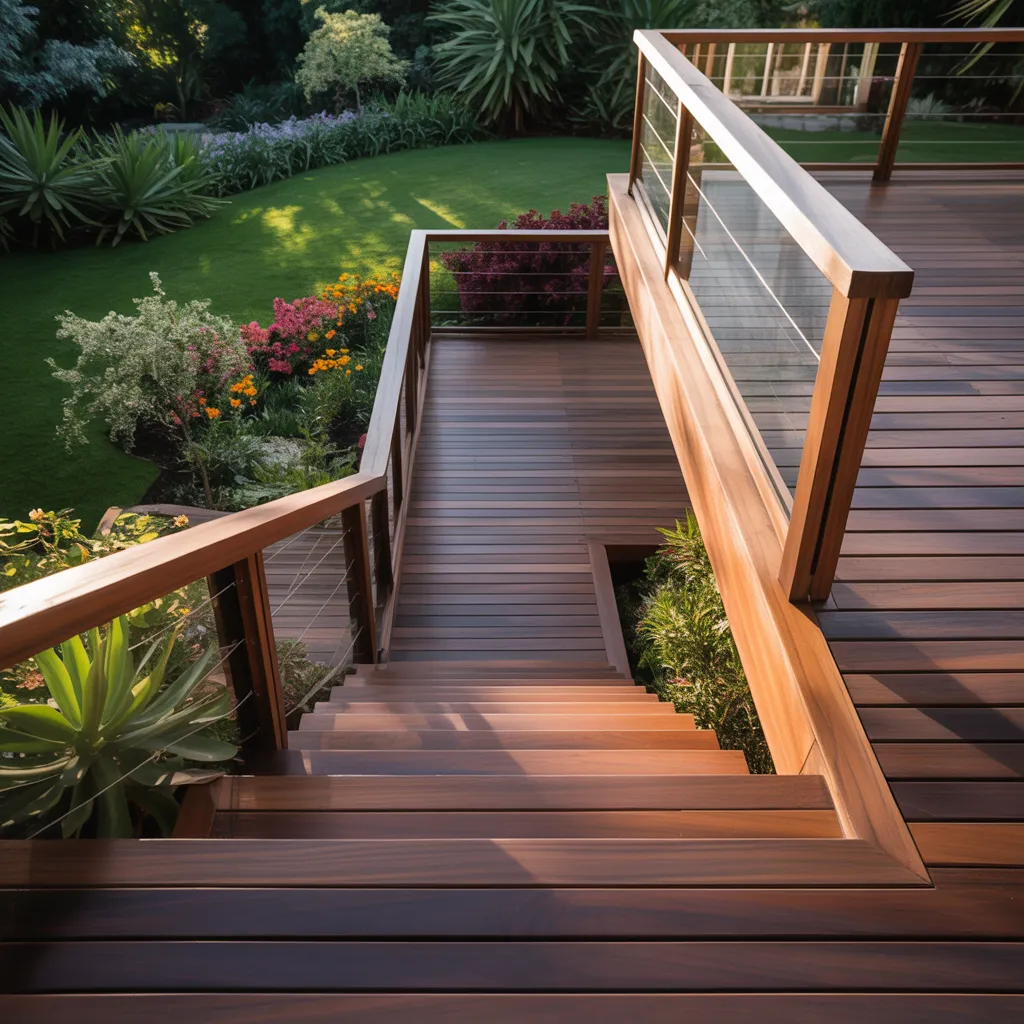
Why Choose Eco-Friendly Deck Builders
Opting for eco-friendly deck builders has a profound effect on both the environment and the homeowner's experience, as these experts emphasize environmentally responsible materials and techniques. By choosing builders dedicated to sustainable practices, homeowners help minimize their environmental impact. These professionals commonly employ renewable resources, ensuring that the materials used are responsibly sourced and have minimal environmental impact.
Furthermore, eco-friendly deck builders possess knowledge of designs that prioritize energy efficiency, which can improve outdoor living areas while supporting environmental responsibility. They regularly adopt practices that minimize waste during the deck construction phase, further supporting ecological responsibility. Home and property owners gain advantages beyond just aesthetically pleasing decks but also from improved overall durability and reduced upkeep expenses associated with sustainable materials.
Ultimately, opting for sustainable deck builders nurtures a beneficial bond with the environment and positions homeowners within a thriving movement centered on environmental responsibility. This decision demonstrates a dedication to conscientious living, making it a wise investment for both personal enjoyment and environmental stewardship.
Learning About Environmentally Friendly Options for Constructing Outdoor Decks
An extensive selection of sustainable materials is available for deck construction, each offering unique benefits that cater to environmentally conscious homeowners. Bamboo, celebrated for its quick regeneration and eco-friendly properties, acts as a durable, lightweight choice. Reclaimed wood, sourced from demolished structures, minimizes waste and provides a rustic charm. Composite materials, commonly crafted from reclaimed plastics and wood fibers, deliver exceptional longevity while demanding little maintenance compared to traditional wood. Moreover, responsibly harvested hardwoods, verified by groups such as the Forest Stewardship Council, guarantee responsible forestry practices.
Another option to consider is environmentally friendly concrete, which can include repurposed aggregates, lowering the carbon footprint. Furthermore, organic stone delivers a lasting, attractive solution that integrates naturally into outdoor settings. By selecting these environmentally friendly materials, residents not only improve the overall appearance of their outdoor spaces but also contribute positively to ecological conservation initiatives.
How to Build an Eco-Friendly Deck
Creating an sustainable deck involves careful choosing of sustainable materials and energy-efficient features. By emphasizing materials that reduce ecological footprint, contractors can develop installations that complement the natural landscape. In addition, integrating components that boost energy conservation supports a more sustainable outdoor space.
Green Material Options
Although many homeowners prioritize visual appeal in their outdoor areas, incorporating sustainable material choices is vital for creating an eco-friendly deck. Opting for materials like reclaimed wood, bamboo, or composite decking made from recycled plastics can greatly reduce environmental impact. These choices not only minimize deforestation but also decrease landfill waste. Furthermore, choosing sustainably sourced or certified woods ensures responsible harvesting practices. Homeowners might also evaluate permeable materials for decking, which enhance water drainage and minimize runoff. Utilizing local materials can further decrease the carbon footprint connected to transportation. By emphasizing these sustainable choices, homeowners can create outdoor spaces that align with nature while encouraging ecological stewardship.
Energy-Saving Design Elements
Incorporating energy-efficient design features is vital for building an sustainable deck that optimizes sustainability. Architects can enhance natural ventilation by strategically placing openings and using materials that facilitate air circulation. Adding shading elements, such as pergolas or awnings, minimizes heat absorption, maintaining a cooler deck in summer months. Additionally, incorporating solar-powered lighting can reduce energy consumption while creating a welcoming environment. Choosing lighter colors for the deck surface can deflect solar rays, also minimizing heat retention. Water harvesting systems can also be included to control water runoff and irrigate surrounding plants. By focusing on these energy-efficient features, designers not only create a functional outdoor space but also benefit the surrounding ecosystem. This strategy ultimately fosters a harmonious balance between aesthetics and sustainability.
Energy-Efficient Practices in Deck Construction
Many contractors are progressively embracing eco-friendly methods in deck building to minimize environmental impact and enhance sustainability. This shift includes employing eco-friendly resources including bamboo and repurposed wood, which considerably decrease the environmental impact tied to standard lumber. Moreover, builders are implementing advanced construction techniques that optimize insulation and reduce energy loss, creating more comfortable outdoor spaces.
Solar-based lighting systems are increasingly gaining traction, permitting decks to remain well-lit without consuming nonrenewable energy supplies. Additionally, numerous builders are integrating permeable decking materials to enhance water drainage and reduce runoff, benefiting local ecosystems.
Finally, the utilization of low-emission VOC finishes confirms that hazardous emissions are significantly reduced, promoting safer outdoor surroundings. By implementing these methods, decking professionals are not only addressing immediate ecological concerns but also laying the groundwork for a more eco-friendly future in outdoor building development.
Assessing Eco-Friendly Deck Builders?
How can homeowners effectively evaluate eco-friendly deck builders? As a starting point, they should search for builders that possess recognized certifications in eco-friendly practices, including credentials issued by the Forest Stewardship Council or comparable regulatory bodies. These certifications reflect a genuine commitment to adopting eco-conscious materials and building approaches. Additionally, homeowners should review the builder's portfolio to identify previous work that prioritizes sustainable construction, particularly those featuring the use of salvaged wood or composite materials sourced from recycled materials.
Additionally, feedback and testimonials from past clients can offer valuable information about the builder's reliability and adherence to eco-friendly principles. Speaking directly with potential builders allows homeowners to inquire about their material sourcing methods and waste reduction approaches. In addition, evaluating several quotes can help determine the best overall value while ensuring that eco-friendly practices are prioritized. By adhering to these guidelines, homeowners can confidently select a deck builder who aligns with their sustainability goals.
Cost of Eco-Friendly Decks
The cost of eco-friendly decks can differ significantly depending on materials, design, and labor. Sustainable materials, like bamboo, reclaimed wood, or composite products, frequently carry a higher price tag compared to conventional alternatives. As an example, while pressure-treated lumber may be less expensive, eco-friendly alternatives may require a higher initial investment but offer long-term benefits, such as greater durability and a lower environmental footprint.
Aesthetic components also affect the general pricing, with more intricate layouts or features raising the overall price. Workforce charges can fluctuate based on the intricacy of the project and the expertise of the builders. Property owners ought to evaluate not only the initial expenses but also the long-term benefits of reduced upkeep and improved energy performance. All things considered, investing in an eco-friendly deck can yield both green benefits and cost efficiencies, positioning it as a smart decision get started for a wide range of homeowners.
Maintenance Tips for Sustainable Decks
Routine upkeep is critical for guaranteeing the lifespan and appearance of sustainable decks. Homeowners should perform routine inspections to spot any evidence of damage, such as loose boards or surface cracking. Cleaning the deck regularly with a light soap and water blend helps remove dirt and organic debris that can lead to mold or mildew growth. For timber decks, administering a natural coating or sealant every few years can shield against weather-related deterioration and improve the wood's natural beauty.
It is also advisable to refrain from using strong chemicals, as they can negatively impact the environment and deteriorate the materials. Moreover, keeping plants and foliage trimmed back reduces moisture buildup and limits pest infestations. By following these maintenance guidelines, homeowners can ensure their eco-friendly decks stay functional and attractive while minimizing their environmental impact. Regular care not only prolongs the deck's life but also contributes to a healthier outdoor space.
Revamping Your Outdoor Area: Inspiring Real-World Cases
While many homeowners seek to enhance their outdoor spaces, practical instances of green deck makeovers highlight the capacity for elegance and environmental responsibility. One remarkable example featured a couple in a residential community who replaced their traditional wooden deck with composite materials made from recycled plastics. This change not only reduced their environmental footprint but also provided a long-lasting, low-maintenance solution.
One additional instance features a homeowner that integrated indigenous plants and porous pavers into their outdoor deck plan, enabling better water drainage and promoting regional biodiversity.
In city environments, a rooftop deck showcasing reclaimed wood and solar panels exemplifies how eco-conscious design can harmonize with contemporary style, providing a tranquil escape amid the cityscape.
These examples demonstrate how intentional design choices can lead to outdoor environments that are aesthetically pleasing as well as environmentally conscious, confirming that sustainability is achievable without sacrificing style.

Questions We Often Receive
Which Certifications Are Essential for Green Deck Builders?
Environmentally conscious deck contractors are expected to carry credentials including LEED, FSC, or SFI. Such certifications reflect compliance with sustainable practices, conscientious material sourcing, and focus on reducing ecological footprint in construction and design processes.
Do Eco-Friendly Deck Lighting Options Exist?
There are indeed eco-friendly options for deck lighting, such as energy-efficient designs, solar-powered fixtures, and LED lights. These solutions minimize energy consumption and reduce reliance on non-renewable resources, establishing them as sustainable choices for outdoor lighting.
How Does the Lifespan of Sustainable Materials Compare to Traditional Ones?
Sustainable materials typically last as long as, or longer than, traditional options when properly maintained. Elements like environmental conditions and material grade affect lifespan, making thoughtful selection critical for strength and performance across the long term.
Is It Possible to Use Recycled Materials for My Deck?
Absolutely, recycled materials serve as an excellent choice for decking. These materials, often made from reclaimed wood or plastic, offer durability and environmental benefits, offering a sustainable option compared to conventional decking without compromising on visual appeal.
What Are the Environmental Benefits of Choosing an Eco-Friendly Deck?
Choosing an environmentally friendly deck supports sustainability by minimizing waste, preserving natural resources, and lowering carbon footprints. It promotes biodiversity through the utilization of sustainable materials while beautifying outdoor spaces that blend with the environment.